

Best Way to Check on House While Traveling
- Eric Price
- 17 hours ago
- 5 min read
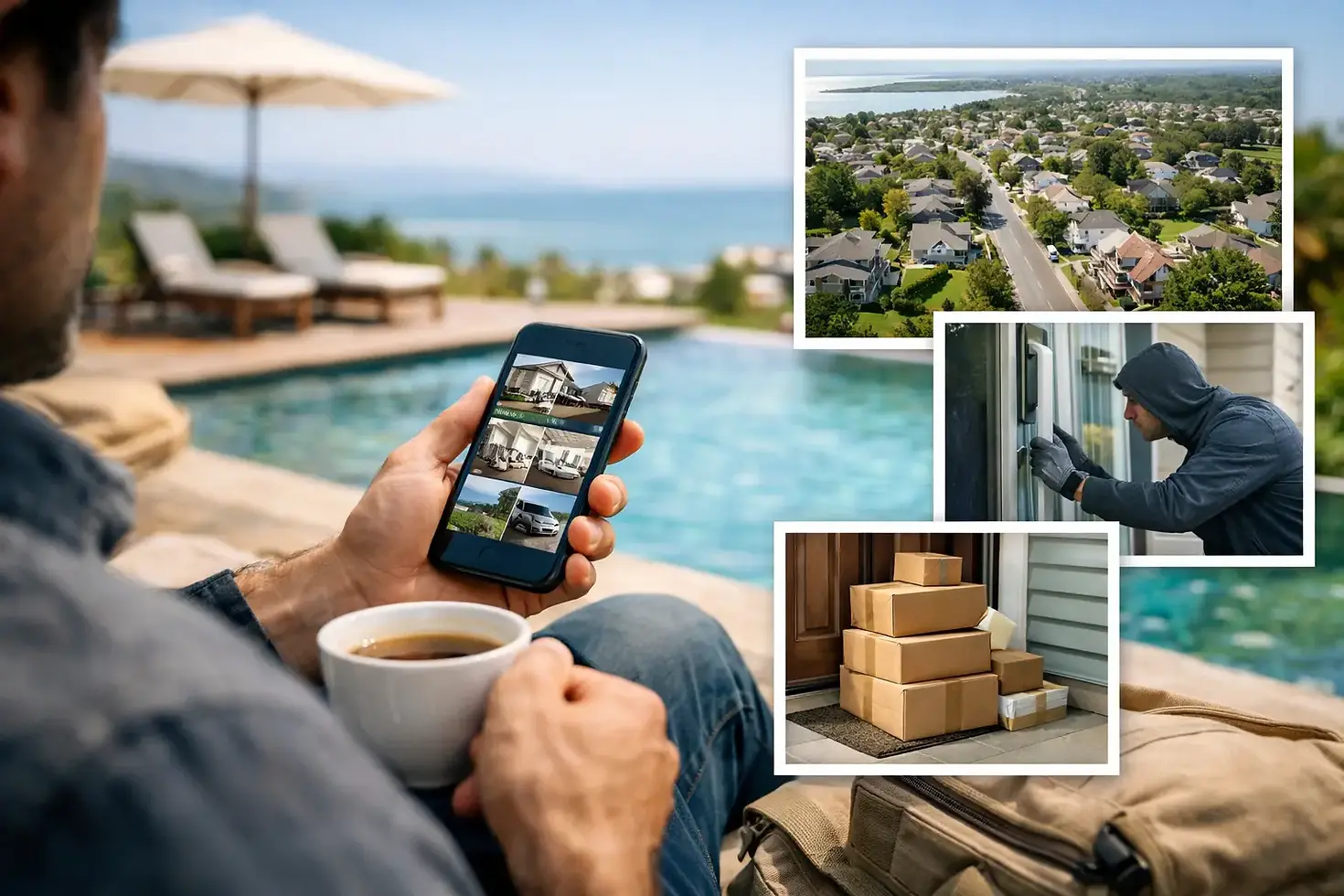
You do not usually worry about your home when you are inside it. You notice the package at the door, the gate left open, the damp spot near the downspout, or the power issue after a storm because you are there to see it. The best way to check on house while traveling is to replace that missing visibility with scheduled, documented property oversight - not guesswork, delayed updates, or informal favors.
For homeowners who travel often, own a second home, manage a seasonal property, or leave a residence temporarily unattended, the real concern is rarely dramatic. It is the small visible change that goes unnoticed for too long. A newspaper buildup, a shifted exterior fixture, standing water, an open access point, or signs that a property does not look routinely observed can create stress quickly. The right approach is one that gives you dependable awareness, written communication, and proof of what was observed at each visit.
What is the best way to check on house while traveling?
The most reliable answer is scheduled on-site property oversight with documented homeowner reporting. That means a qualified professional visits the property at agreed intervals, observes visible exterior and accessible condition indicators, and sends clear written updates with supporting photos.
This matters because remote awareness is only useful when it is consistent. A one-time glance does not tell you much. A structured monitoring schedule creates continuity. You are not just hearing that the home "looked fine." You are receiving a record of what was observed, when it was observed, and whether visible conditions changed between visits.
That level of accountability is what separates real oversight from informal help. If your goal is peace of mind, the method matters as much as the visit itself.
Why informal arrangements often fall short
Many homeowners first think of asking a friend or nearby contact to keep an eye on things. The intention is good, but the result is often uneven. Travel plans change, weather interferes, communication gets delayed, and what one person notices may be very different from what another person considers worth mentioning.
The issue is not goodwill. The issue is structure. Without a set schedule, a reporting process, and visual documentation, you may still be left wondering whether anyone truly observed the property in a meaningful way.
That uncertainty becomes more noticeable with vacant homes, seasonal properties, and homes in transition. If the property is not being lived in full time, visible condition changes can develop quietly. A professional oversight approach is designed to reduce that gap by making observation routine and communication dependable.
What dependable property oversight should include
If you are deciding on the best way to check on house while traveling, focus less on promises and more on process. The strongest service model is built around consistent on-site presence, visible condition verification, and documented reporting after each monitoring session.
A homeowner should know when visits are scheduled and what type of conditions are being observed. Exterior presentation, signs of unauthorized access, weather-related visible changes, package buildup, and obvious issues affecting the property’s unattended appearance all matter. After the visit, you should receive written communication that is easy to review and supported by photos.
That reporting piece is not a small detail. It is the difference between assuming and knowing. Good homeowner reporting gives you something concrete to reference, especially if your property is away from your primary residence or you are gone for an extended period.
The role of visible condition verification
Visible condition verification is practical because it focuses on what can be directly observed and documented during a scheduled visit. That includes the types of details homeowners often worry about most when they are away - whether the property appears secure, whether exterior conditions look normal, and whether anything has changed since the last monitoring session.
This is not about making broad assumptions. It is about confirming observable conditions and reporting them clearly. That keeps communication accurate and useful. If something appears out of place, the homeowner is informed. If the property appears consistent with prior visits, the homeowner knows that too.
For many South Jersey homeowners, this is especially valuable after stretches of rain, high wind, seasonal vacancy, or travel periods that overlap with changing occupancy patterns. You may not need constant updates. You need trustworthy updates when they count.
Technology helps, but it should not be the whole plan
Cameras, smart doorbells, and app alerts can be helpful tools. They can tell you when there is motion, whether a light turned on, or whether someone approached the entry. But they do not replace on-site oversight.
Technology has limits. Camera angles miss parts of the property. Wi-Fi interruptions happen. Notifications can become background noise, especially when you are busy or traveling across time zones. A remote device also cannot provide the judgment that comes from an in-person look at the property’s visible condition.
The best setup for many homeowners is a layered one. Smart devices can support awareness, but scheduled property oversight provides the accountability and context that technology alone cannot deliver.
How often should a home be monitored while you are away?
It depends on how long the property will be unattended, how often it is normally occupied, and how much risk comes from delayed awareness. A second home left vacant for a season has different needs than a primary residence left unattended for one week during a family trip.
The right schedule is the one that creates a reasonable rhythm of observation without leaving long gaps between visits. If the home is vacant, in transition, or not routinely observed by the owner, more frequent oversight often brings better peace of mind because changes are more likely to be caught sooner.
The key is consistency. A regular cadence of documented visits gives homeowners confidence that the property is being observed with purpose rather than remembered when convenient.
What to ask before choosing a provider
If you are evaluating professional oversight, ask simple direct questions. How are visits documented? What kind of homeowner reporting do you receive? Are photos included? Is the communication prompt and clear? Does the service focus on visible condition verification rather than vague reassurance?
You should also pay attention to language. A trustworthy provider explains the process in a measured way and does not overstate what can be known from a brief visit. That kind of clarity is a good sign. It shows that the service is built around accountability rather than general promises.
For homeowners in coastal and seasonal parts of South Jersey, this can be particularly important. Properties that sit unattended for periods of time benefit from structured oversight that fits the realities of travel, weather exposure, and part-time occupancy.
Why documentation gives homeowners real peace of mind
Peace of mind is not created by hearing that everything is probably okay. It comes from having a repeatable process and documented updates that let you stay informed without being physically present.
When reporting is clear, homeowners spend less time wondering and less time chasing information. You know the property was visited. You know what was observed. You have visual support for the update. If a visible issue appears, you can make informed decisions sooner.
That is why professional property oversight tends to matter most to people with the least time to improvise - frequent travelers, retirees managing second homes, families overseeing a parent’s residence, and homeowners dealing with renovation, relocation, or probate transitions. They do not need casual reassurance. They need reliable visibility.
A practical standard for unattended homes
The best way to check on house while traveling is not to rely on luck, scattered texts, or occasional drive-bys. It is to put a clear oversight process in place before you leave, with scheduled visits, visible condition verification, and prompt homeowner reporting.
That approach respects what homeowners actually want when they are away from the property: to know what is happening at their home without being there. For anyone who wants that information delivered with consistency and documented accountability, professional property oversight is the standard worth choosing.
When travel takes you away from home, confidence comes from knowing your property is still being observed with care, clarity, and a written record you can trust.


Comments